Crypto Trading Mistakes Draining Indian Beginners' Accounts
Ranked by damage done. Almost every beginner loss is one of these — spot them before they spot you.

You don't get good at crypto by finding secret wins — you get good by avoiding the obvious losses. Here are the seven mistakes that quietly empty Indian beginners' accounts, ranked honestly by how much damage they actually do, with the fix for each.
Investing money you can't afford to lose
Rent, EMIs, emergency savings, your child's education fund — money that must be there. The moment prices drop, that money becomes a hostage. You're forced to sell at a low to cover real-life obligations, turning a temporary dip into a permanent loss you couldn't undo.
Chasing the "next Bitcoin" because it's cheap
A ₹1 coin is not "cheaper" than Bitcoin — price per coin is meaningless without market cap. A coin with 100 billion tokens at ₹1 each is worth far more than Bitcoin's entire network. Beginners buy "cheap" coins thinking they have more upside, and lose the lot when the project quietly dies. Our lesson on market cap explained breaks down the maths.


Using high leverage too early
10x, 50x, 100x — leverage looks like a shortcut to bigger gains. It's a shortcut to liquidation. With 50x leverage, a 2% move against you wipes your entire position. Most beginners try leverage in their first month and discover this the hard way. If the basics are still new, read what is leverage and our spot vs futures guide first.
Trading without a stop-loss
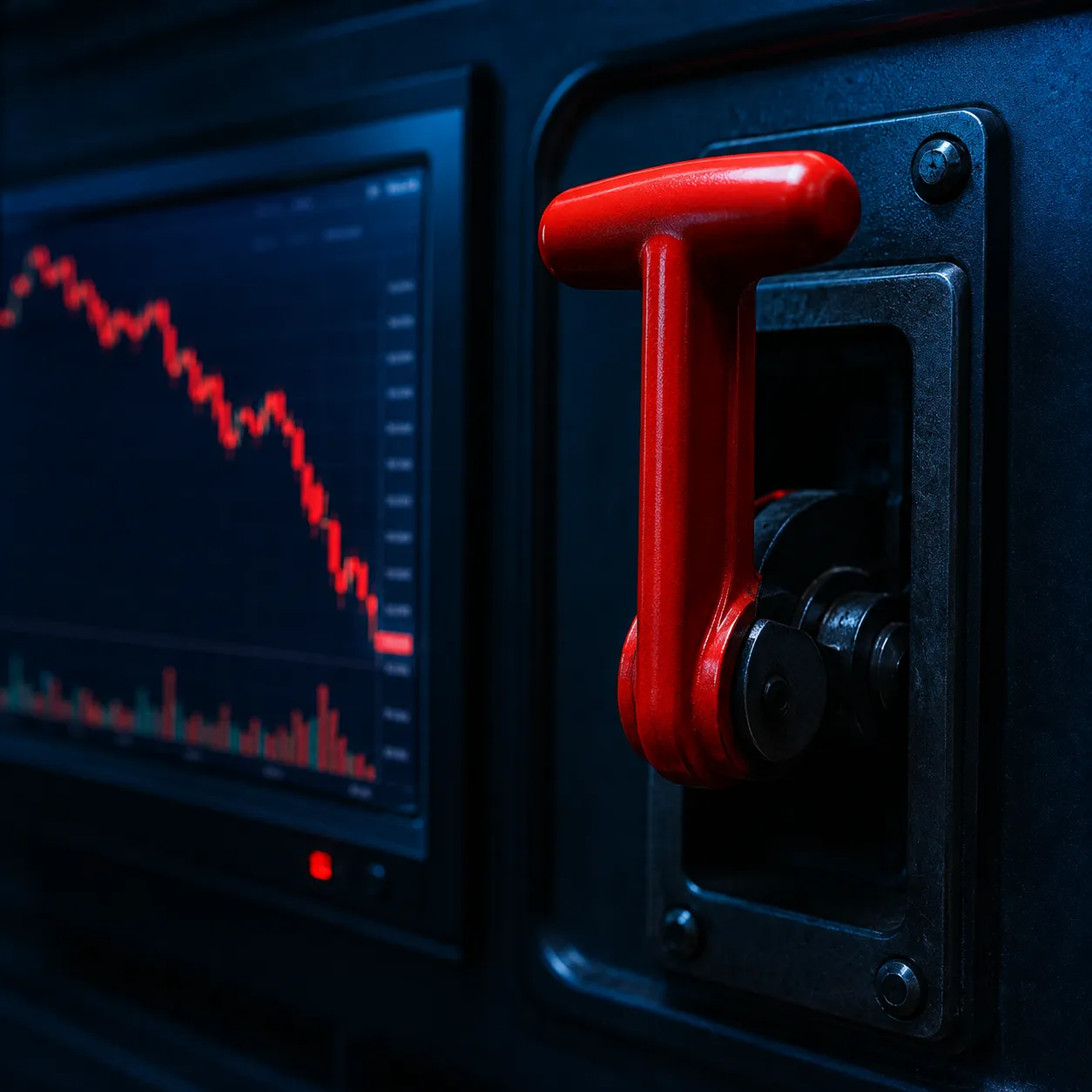
"I'll just watch and sell when it drops too far" — every blown account began with that thought. Without a pre-set stop-loss, fear takes over when prices fall. You freeze, you hope, you average down, and the loss balloons from manageable to devastating. A stop-loss isn't pessimism — it's pre-deciding the maximum pain while you're calm.

Buying because it's already pumping
The coin is up 40% this week. Your group chat is screaming. Every reel says "still early." That feeling — I'm missing out — is FOMO, and it is the most reliable signal you're about to buy a top. By the time something is mooning on social media, the easy gains belong to whoever bought before the noise. We covered this in detail in market psychology: fear and greed.
Over-trading and ignoring the tax
This one is uniquely Indian, and uniquely brutal. Every booked gain is taxed at a flat 30% (plus 4% cess), with 1% TDS on transfers and no loss set-off. The more you trade, the more tax events you create. Active flipping that looks "profitable" on the chart often loses money once tax and TDS are counted. Our note on trading fees and hidden costs covers the full picture.

Following Telegram tips and influencer "calls"
Most paid tip groups, free signal channels and "guaranteed" calls work on the same trick: they push a coin to thousands of followers, the followers buy and pump the price, and the people who pushed it sell into your buying. You're not the customer — you're the exit liquidity. Real risk management and your own homework beat any "call."
The honest part
You'll probably make at least one of these mistakes — most of us did. The goal isn't to be perfect; it's to make a mistake once, learn the lesson cheaply, and never repeat it. Write your own list. Pin it to your screen. The traders who survive aren't the smartest — they're the ones who stopped doing dumb things faster.
Frequently asked questions
What is the biggest mistake new crypto traders make in India?
Investing money they cannot afford to lose. When rent, EMIs or emergency savings get tied up in crypto and prices fall, beginners are forced to sell at a loss — turning a temporary dip into a permanent loss. Only use truly spare money you could lose entirely without changing your life.
Does the 30% crypto tax in India apply to small trades?
Yes. Every booked gain is taxed at a flat 30% plus 4% cess, regardless of trade size. A 1% TDS also applies on transfers above the prescribed thresholds. Frequent emotional trading multiplies both the tax events and the TDS deductions, so over-trading hurts twice.
How can a beginner avoid these crypto mistakes?
Write a simple trading plan before you click buy — entry, exit, position size, stop-loss. Only use money you can lose. Avoid leverage early on, do not chase tips, and review every trade afterwards. Most damage is prevented by a plan made when you are calm.
See these mistakes avoided in real trades
Every Telegram setup shows the stop-loss and position size before the entry. Free, no upsell.
Educational content, not financial advice. Crypto is unregulated in India and can be highly risky. New here? Start the free 20-lesson course.